Showing posts with label Book Reviews. Show all posts

Book Review: The Loveliness of Christ: Selections from the Letters of Samuel Rutherford

 Book Review: The Loveliness of Christ: Selections from the Letters of Samuel Rutherford 

In the annals of Christian devotional literature, few voices resonate with the passionate intensity and profound spiritual insight of Samuel Rutherford (c. 1600-1661). A Scottish Presbyterian pastor and theologian, Rutherford's most enduring legacy lies not in his systematic treatises, but in his voluminous correspondence, written primarily during his exile in Aberdeen. The Loveliness of Christ: Selections from the Letters of Samuel Rutherford offers a curated collection of these remarkable letters, providing a window into the soul of a man consumed by love for Christ, even amidst profound suffering and persecution.


The core essence of The Loveliness of Christ is an overflowing, almost rapturous, adoration for Jesus Christ. Rutherford's letters are not merely pastoral counsel or theological exposition; they are vibrant, intimate communiqués born from a deep, experiential union with his Savior. Written to a wide array of recipients—parishioners, fellow ministers, noblewomen, and ordinary believers—these letters address themes of suffering, perseverance, spiritual warfare, the beauty of Christ, the sweetness of communion with God, and the anticipation of heaven. What unites them all is Rutherford's unwavering focus on Christ as the supreme object of his affection and the source of all comfort and strength. He frequently employs vivid metaphors and poetic language to articulate the inexpressible glory and "loveliness" of Christ, often expressing a longing for Christ's presence that borders on the mystical.


Rutherford's writing style is unique and captivating. 

It is characterized by its fervent emotion, rich imagery, and often dramatic expressions of spiritual longing and joy. While the language is that of the 17th century, a careful reading reveals a profound depth of spiritual experience. He often uses paradoxes ("sweet sorrow," "joyful suffering") to convey the complex realities of the Christian life. The letters are intensely personal, revealing Rutherford's own struggles, temptations, and triumphs, which makes his counsel all the more relatable and powerful. He speaks with the authority of one who has truly "tasted and seen that the Lord is good," even when facing imprisonment and the threat of death.


One of the greatest strengths of this collection is its ability to ignite a deeper love for Christ in the reader. Rutherford's unbridled passion for his Savior is infectious, challenging believers to move beyond mere intellectual assent to a vibrant, affectionate relationship with Jesus. The letters offer immense comfort and encouragement to those undergoing trials, demonstrating how suffering can be a crucible for deeper communion with God. They also provide a powerful example of steadfast faith in the face of adversity, reminding us that even in the darkest valleys, Christ's presence is a source of unspeakable joy.


However, modern readers may find the archaic language and the intensity of Rutherford's expressions require some adjustment. His theological framework is distinctly Puritan and Presbyterian, which may differ from some contemporary evangelical perspectives, though his core Christ-centered devotion transcends denominational boundaries. The fragmented nature of letters, while authentic, also means the book is best read devotionally, allowing time to savor each selection rather than attempting a continuous narrative.


In conclusion, The Loveliness of Christ: Selections from the Letters of Samuel Rutherford is a spiritual treasure that continues to nourish and inspire believers centuries after its original composition. It is a powerful testament to the transformative power of Christ's love and the profound joy that can be found in Him, even amidst life's greatest storms. For anyone seeking to deepen their affection for Jesus, to find solace in suffering, or to simply bask in the radiant glory of the Savior, this collection of letters is an indispensable and profoundly rewarding read.

Book Review: Power from on High: What It Is and How to Obtain It by Charles Finney

 Book Review: Power from on High: What It Is and How to Obtain It by Charles Finney

Charles G. Finney (1792-1875) was a towering figure in American religious history, widely regarded as the "Father of Modern Revivalism." His fervent preaching and innovative methods characterized the Second Great Awakening, leading to countless conversions and significant social reform. Power from on High: What It Is and How to Obtain It, compiled from his lectures and writings, encapsulates Finney's core convictions regarding the necessity and availability of the Holy Spirit's power for effective Christian living and ministry.

Book Review: Power from on High: What It Is and How to Obtain It by Charles Finney


The central thesis of Power from on High is Finney's passionate conviction that Christians need a distinct, conscious experience of "power from on high"—the empowering presence of the Holy Spirit—beyond conversion, in order to live holy lives and engage in effective evangelism and ministry. He argues that this power is not automatically or fully realized at conversion but is a subsequent endowment available to all who earnestly seek it. Finney meticulously defines what this power entails (not merely emotional fervor, but moral power, wisdom, and spiritual efficacy), explains its purpose (to enable believers to overcome sin, witness effectively, and serve God with impact), and outlines the conditions for obtaining it (deep repentance, consecration, faith, and earnest prayer). He challenges the notion of a powerless Christianity, urging believers to pursue this divine enablement as essential for fulfilling God's purposes.


Finney's writing style is direct, forceful, and intensely practical. 

He writes with the urgency of a revivalist, aiming not just to inform but to provoke a spiritual response. His prose is clear and logical, often employing a question-and-answer format to anticipate and address reader concerns. He uses strong, declarative statements and vivid imagery to convey his points, reflecting his background as a lawyer. While deeply theological, his focus is always on the practical outworking of doctrine in the believer's life. He is less concerned with academic debate and more with spiritual transformation and practical results.


One of the greatest strengths of Power from on High is its unwavering emphasis on the Holy Spirit's empowering work. In an era where the Spirit's role was sometimes downplayed or misunderstood, Finney's clear articulation of the need for divine power was revolutionary and remains highly relevant. The book's practical nature, outlining specific steps and attitudes for obtaining this power, makes it a valuable guide for those genuinely seeking a deeper spiritual experience and greater effectiveness in ministry. It challenges complacency and calls believers to a higher standard of holiness and spiritual zeal.


However, readers approaching Finney's work should be aware of his particular theological distinctives, which have been subjects of debate. While his passion for holiness and revival is undeniable, his theological framework differs from others. Therefore, it is advisable to read Finney with discernment, comparing his teachings with broader biblical and theological perspectives.


In conclusion, Power from on High: What It Is and How to Obtain It is a powerful and challenging read for any Christian desiring to live a more impactful and Spirit-filled life. Charles Finney's passion for revival and his conviction regarding the Holy Spirit's empowering presence shine through every page. While his theological nuances may invite discussion, his core message—that believers can and should experience a profound outpouring of divine power for holiness and service—remains a potent call to deeper spiritual commitment and a relentless pursuit of God's enabling grace.

Book Review: Humility: The Journey Toward Holiness by Andrew Murray

 Book Review: Humility: The Journey Toward Holiness by Andrew Murray

Andrew Murray (1828-1917), a prolific South African pastor, evangelist, and writer, remains one of the most beloved devotional authors in Christian history. His works, characterized by their profound spiritual insight and practical guidance, continue to resonate with believers seeking deeper communion with God. Among his most enduring contributions is Humility: The Journey Toward Holiness, a concise yet profoundly impactful treatise that calls believers to embrace the foundational virtue of humility as the pathway to true spiritual growth and Christlikeness.

Book Review: Humility: The Journey Toward Holiness by Andrew Murray


The central thesis of Humility is that humility is not merely one virtue among many, but the very essence of true holiness and the indispensable prerequisite for all other graces. Murray argues that just as pride was the root of humanity's fall, so humility is the key to restoration and conformity to Christ, who Himself "humbled Himself" (Philippians 2:8). He meticulously unpacks what genuine humility looks like, contrasting it with false humility and self-exaltation. Murray contends that humility is not a feeling of self-abasement, but a profound recognition of our utter dependence on God and a willingness to take the lowest place, allowing God to be all in all. He explores how humility manifests in our relationship with God, with others, and within ourselves, ultimately presenting it as the very character of Christ that we are called to embody.

Murray's writing style is devotional, meditative, and deeply spiritual. 

His prose is simple, direct, and often repetitive in a way that aids memorization and reflection, emphasizing key truths. The book is short, designed to be read slowly and prayerfully, allowing its profound message to sink deep into the reader's heart. He draws heavily on Scripture, particularly the example of Jesus, to illustrate his points. His tone is gentle yet convicting, inviting readers to self-examination and a sincere pursuit of this often-overlooked virtue. The book reads like a series of interconnected meditations, each building upon the last to create a comprehensive picture of what it means to be truly humble.

One of the greatest strengths of Humility is its timelessness and universal applicability. The struggle with pride is a perennial human condition, and Murray's insights remain as relevant today as they were over a century ago. The book offers a powerful corrective to a self-centered culture, challenging believers to reorient their lives around God's glory and the needs of others. Its focus on practical outworkings of humility in daily life makes it highly actionable, encouraging readers to move beyond intellectual assent to genuine transformation. Many readers have testified to the profound impact this small book has had on their spiritual journey, often leading to a renewed sense of dependence on God and a deeper love for others.

However, some modern readers might find the language slightly archaic, though it is generally accessible. The book's intense focus on humility means it doesn't delve into other aspects of holiness or Christian living, serving instead as a concentrated meditation on this one foundational virtue. Its devotional nature also means it is less of a systematic theological treatise and more of a spiritual exhortation.

In conclusion, Humility: The Journey Toward Holiness is a spiritual classic that every Christian would do well to read and reread. Andrew Murray provides an unparalleled guide to understanding and cultivating the virtue that lies at the heart of Christlikeness. It is a profound, challenging, and ultimately liberating book that reveals humility not as a weakness, but as the very strength that opens us up to God's grace and empowers us to live lives that truly reflect His character.

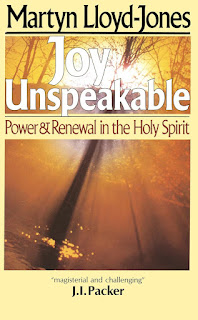
Book Review: Joy Unspeakable: Power and Renewal in the Holy Spirit by Martyn Lloyd-Jones

Book Review: Joy Unspeakable: Power and Renewal in the Holy Spirit by Martyn Lloyd-Jones


Martyn Lloyd-Jones (1899-1981), often referred to as "the Doctor," was one of the 20th century's most influential evangelical preachers and theologians. His profound expository sermons, delivered primarily at Westminster Chapel in London, have been preserved in numerous books, and Joy Unspeakable: Power and Renewal in the Holy Spirit is a quintessential example of his deep theological insight and pastoral passion. This book, compiled from a series of sermons, delves into the often-misunderstood and sometimes neglected doctrine of the Holy Spirit, particularly focusing on the experience of spiritual joy and renewal.
Book Review: Joy Unspeakable: Power and Renewal in the Holy Spirit by Martyn Lloyd-Jones


The central theme of Joy Unspeakable is the person and work of the Holy Spirit, with a particular emphasis on the Spirit's role in bringing about a profound, often overwhelming, experience of joy and assurance in the believer's life. Lloyd-Jones argues that many Christians live far below their spiritual privileges, lacking the vibrant joy and power that the Holy Spirit intends to impart. He meticulously distinguishes between the initial indwelling of the Spirit at conversion and subsequent experiences of the Spirit's fullness, which he believes are available to all believers. He explores biblical accounts of spiritual outpouring, revival, and the "sealing" of the Spirit, carefully navigating the complexities of these experiences while firmly grounding his arguments in Scripture. The book is a passionate plea for Christians to seek a deeper, more experiential knowledge of the Holy Spirit's work, leading to genuine spiritual renewal and power for living the Christian life.

Lloyd-Jones's writing style, reflecting his preaching, is characterized by its meticulous exposition, logical argumentation, and profound pastoral concern. He is a master of detailed biblical analysis, carefully unpacking verses and cross-referencing passages to build a comprehensive theological case. While his prose is dense and requires careful reading, it is remarkably clear and precise. He anticipates objections, addresses common misunderstandings, and guides the reader through complex theological terrain with patience and thoroughness. His tone is authoritative yet compassionate, reflecting his deep desire for believers to experience the fullness of God's grace.

One of the greatest strengths of Joy Unspeakable is its robust biblical foundation. 

Lloyd-Jones consistently grounds his arguments in Scripture, demonstrating a profound reverence for God's Word. He avoids sensationalism or emotionalism, instead relying on careful exegesis to make his case for the Spirit's work. The book is also highly practical, challenging readers to examine their own spiritual lives and to earnestly seek a deeper experience of the Holy Spirit. It offers a powerful counter-narrative to both dry intellectualism and unbiblical emotionalism in Christian experience, advocating for a balanced, Spirit-filled life rooted in truth.

However, due to its depth and detailed theological exposition, Joy Unspeakable is not a light read. It requires focused attention and a willingness to engage with extended arguments.  Nevertheless, his arguments are always presented with integrity and a deep commitment to biblical fidelity.

In conclusion, Joy Unspeakable: Power and Renewal in the Holy Spirit is an indispensable work for anyone seeking a deeper understanding of the Holy Spirit and a more vibrant, joyful Christian experience. Martyn Lloyd-Jones offers a masterclass in biblical exposition and theological reasoning, challenging believers to move beyond mere intellectual assent to a living, powerful encounter with the Spirit of God. It is a book that will undoubtedly provoke thought, encourage spiritual hunger, and lead many to a richer, more joyful walk with Christ.

Book Review: The Pilgrim's Progress by John Bunyan

 Book Review: The Pilgrim's Progress by John Bunyan

John Bunyan's The Pilgrim's Progress from This World, to That Which Is to Come, commonly known as The Pilgrim's Progress, is arguably one of the most influential and widely read Christian allegories in literary history. First published in 1678, this timeless masterpiece has transcended its original context to become a foundational text for understanding the Christian journey, translated into countless languages and inspiring generations of believers and non-believers alike. Written by Bunyan while imprisoned for his nonconformist preaching, the book is a testament to the enduring power of faith and the human spirit.

Book Review: The Pilgrim's Progress by John Bunyan

At its heart, The Pilgrim's Progress is a vivid dream allegory chronicling the spiritual journey of a man named Christian. Burdened by a heavy load (representing sin), Christian flees the City of Destruction and embarks on a perilous pilgrimage towards the Celestial City (Heaven). Along his arduous path, he encounters a diverse array of characters, both helpful and hindering, and navigates through symbolic landscapes such as the Slough of Despond, the Hill Difficulty, the Valley of Humiliation, the Valley of the Shadow of Death, Vanity Fair, and Doubting Castle. Each character (e.g., Obstinate, Pliable, Faithful, Hopeful, Giant Despair, Mr. Worldly Wiseman) and location serves as a powerful metaphor for the spiritual challenges, temptations, and triumphs faced by a Christian believer. The narrative is a profound exploration of themes such as salvation, repentance, perseverance, faith, doubt, temptation, fellowship, and the ultimate hope of eternal life.

Bunyan's writing style is remarkably accessible, despite the language of the 17th century.

His prose is direct, vivid, and often poetic, making the complex theological concepts understandable through the lens of a compelling narrative. The allegorical nature of the work is its defining feature, allowing readers to grasp abstract spiritual truths through concrete, relatable imagery and characters. While the symbolism is rich, it is generally clear, guiding the reader without becoming overly obscure. The dialogues are particularly effective, revealing the characters' motivations and the spiritual principles at play.

One of the greatest strengths of The Pilgrim's Progress is its universal appeal and timeless relevance. Despite being written centuries ago, the spiritual struggles and temptations Christian faces are remarkably similar to those encountered by believers today. The book offers profound insights into the nature of sin, the necessity of grace, the reality of spiritual warfare, and the importance of perseverance in faith. Its characters are archetypal, representing various human responses to the Gospel message and the challenges of discipleship. Furthermore, its literary merit is undeniable, influencing countless authors and remaining a significant work in English literature.

However, readers approaching The Pilgrim's Progress today should be aware of its theological depth and its specific Puritan worldview. While broadly evangelical, some of the theological nuances might require a degree of familiarity with Christian doctrine. The allegorical format, while brilliant, also means that the narrative is primarily driven by spiritual lessons rather than complex character development or plot twists in a modern sense. For those unfamiliar with the historical context, some of the social and religious references might initially seem distant, though the core spiritual message remains universally impactful.

In conclusion, The Pilgrim's Progress is more than just a book; it is a spiritual journey in itself. John Bunyan's enduring masterpiece continues to illuminate the path of faith, offering guidance, warning, and encouragement to all who seek to navigate the complexities of life with an eternal perspective. It is an indispensable read for Christians seeking to deepen their understanding of their faith and a fascinating literary work for anyone interested in the enduring power of allegory and the human quest for meaning.

Book Review: Shaken: Discovering Your True Identity in the Midst of Life's Storms by Tim Tebow

  Shaken: Discovering Your True Identity in the Midst of Life's Storms by Tim Tebow

Tim Tebow, an athlete whose career has transcended sports to become a public figure known for his outspoken Christian faith, offers readers a deeply personal and inspirational message in his book, Shaken: Discovering Your True Identity in the Midst of Life's Storms. Following his highly publicized transition from NFL star to minor league baseball player, Tebow uses his own experiences of unexpected career shifts, public scrutiny, and personal challenges to explore the profound question of where one's true identity lies when external circumstances are, well, shaken.

Book Review: Shaken: Discovering Your True Identity in the Midst of Life's Storms by Tim Tebow

The central premise of Shaken revolves around the idea that our identity should not be rooted in fleeting achievements, public opinion, or even our chosen profession, but rather in something immutable and eternal—specifically, in one's relationship with God. Tebow candidly shares the emotional rollercoaster of being cut from NFL teams, facing criticism, and navigating an uncertain future. Through these narratives, he illustrates how moments of doubt, disappointment, and public failure can paradoxically become opportunities for deeper spiritual growth and a stronger understanding of self. He emphasizes that true security and purpose are found not in what we do, but in who we are in Christ, regardless of life's unpredictable storms.

Tebow's writing style is direct, earnest, and highly motivational. He speaks from the heart, often sharing vulnerable moments and personal reflections that make him relatable to the reader. The book is replete with anecdotes from his athletic career, mission trips, and personal life, which serve to illustrate his points about perseverance, faith, and finding meaning beyond worldly success. His tone is consistently encouraging and hopeful, reflecting his unwavering belief in God's plan and presence even in difficult times. The language is accessible, making it an easy and engaging read for a broad audience, particularly those who appreciate inspirational memoirs with a strong faith component.

One of the book's significant strengths lies in Tebow's authenticity. He doesn't shy away from admitting his own struggles with insecurity, fear, and the desire for external validation. This vulnerability makes his message about finding identity in Christ all the more powerful, as it comes from someone who has genuinely grappled with these issues in the public eye. The book offers practical encouragement for navigating setbacks, maintaining a positive outlook, and trusting in a higher purpose when life doesn't go according to plan. It serves as a reminder that even in moments of perceived failure, there can be profound lessons and opportunities for spiritual deepening.

However, readers should note that Shaken is explicitly a Christian inspirational book. Its core message, themes, and solutions are deeply rooted in evangelical Christian theology.  

In conclusion, Shaken: Discovering Your True Identity in the Midst of Life's Storms is a heartfelt and inspiring read for anyone facing personal or professional challenges, particularly those within the Christian faith. Tim Tebow offers a powerful testimony to the resilience that comes from rooting one's identity in something greater than worldly success. It's a book that encourages readers to find peace and purpose amidst uncertainty, reminding them that even when life shakes us, our true identity can remain unshaken.

Book Review: On Classical Trinitarianism: Retrieving the Nicene Doctrine of the Triune God by Matthew Barrett

  On Classical Trinitarianism: Retrieving the Nicene Doctrine of the Triune God by Matthew Barrett

In an intellectual climate where theological concepts are often re-evaluated, re-interpreted, or even discarded in the pursuit of perceived relevance, Matthew Barrett's On Classical Trinitarianism: Retrieving the Nicene Doctrine of the Triune God stands as a powerful and meticulously argued call for a return to the historic understanding of the Trinity. Barrett, a prominent Reformed theologian and author, undertakes the ambitious task of not only explaining but passionately defending the classical Trinitarianism enshrined in the Nicene Creed, arguing for its enduring necessity and profound implications for Christian theology and worship.

Book Review: On Classical Trinitarianism: Retrieving the Nicene Doctrine of the Triune God by Matthew Barrett

The central thesis work is that the contemporary church, particularly in evangelical circles, has often drifted from or misunderstood the classical doctrine of the Trinity, leading to various theological errors and a diminished appreciation for the triune nature of God. He contends that a robust retrieval of Nicene Trinitarianism—with its emphasis on divine simplicity, impassibility, eternal generation of the Son, and eternal procession of the Spirit—is crucial for maintaining a coherent and biblical understanding of God. Systematically addresses common modern departures from this classical view, such as various forms of social Trinitarianism that risk tritheism, or interpretations that undermine the eternal relations within the Godhead. He argues that the Nicene framework provides the necessary guardrails to preserve the unity of God while affirming the distinct persons of the Father, Son, and Holy Spirit.


Scholarly rigor, theological precision, and passionate conviction. He engages deeply with historical theology, drawing extensively from the Church Fathers, medieval scholastics, and Reformation thinkers to demonstrate the continuity of classical Trinitarian thought. While the subject matter is inherently complex and necessitates a certain level of theological literacy from the reader, strives for clarity, carefully defining terms and explaining intricate concepts. His tone is both polemical (in the sense of arguing against perceived errors) and deeply devotional, as he consistently highlights how a proper understanding of the Trinity leads to profound worship and a richer Christian life.


One of the book's greatest strengths is its comprehensive scope. Book leaves few stones unturned, tackling difficult questions related to divine simplicity, eternal generation, the filioque clause, and the relationship between the economic and immanent Trinity. He meticulously unpacks the implications of various Trinitarian models, showing how deviations from the classical view can lead to unintended theological consequences. For those seeking a deep dive into the historical and systematic intricacies of the Trinity, this book offers an unparalleled resource.


However, due to its academic depth and detailed engagement with historical and systematic theology, On Classical Trinitarianism is not a book for the casual reader. It demands careful attention and a willingness to grapple with sophisticated theological arguments. Strives for clarity, the inherent complexity of the subject matter means that readers without a foundational understanding of theological concepts might find parts of the book challenging. This is a strength for its target audience—theologians, pastors, and serious students of doctrine—but it might limit its accessibility for a broader lay readership.


In conclusion, On Classical Trinitarianism: Retrieving the Nicene Doctrine of the Triune God is a monumental achievement in contemporary systematic theology. Matthew Barrett has produced a magisterial work that is both a scholarly defense and a passionate call for the church to reclaim its rich Trinitarian heritage. For anyone serious about understanding the Christian doctrine of God in its historical depth and systematic coherence, this book is an indispensable and highly recommended read. It is a powerful reminder that the ancient paths often lead to the most profound truths.

Book Review: Daily Doctrine: A One-Year Guide to Systematic Theology by Kevin DeYoung

 Daily Doctrine: A One-Year Guide to Systematic Theology by Kevin DeYoung

Helpful Resource for Pastors, Ministry Leaders, and Everyday Christians

In a world often characterized by theological shallowness and a preference for devotional fluff over doctrinal depth, Kevin DeYoung's Daily Doctrine: A One-Year Guide to Systematic Theology stands out as a refreshing and much-needed resource. DeYoung, a well-regarded Reformed pastor and author known for his clear, concise, and biblically faithful writing, has crafted a systematic theology that is both accessible for everyday believers and robust in its content, designed to be consumed in manageable daily readings.

Book Review: Daily Doctrine: A One-Year Guide to Systematic Theology by Kevin DeYoung

The premise of Daily Doctrine is straightforward: to guide readers through the major tenets of Christian systematic theology over the course of a year, with one short reading for each day. DeYoung covers all the traditional loci of systematic theology, including the doctrine of God (theology proper), Scripture, humanity, sin, Christ, the Holy Spirit, salvation (soteriology), the church (ecclesiology), and the end times (eschatology). Each daily entry is typically a page or two in length, making it digestible for busy schedules, yet packed with solid biblical exposition and theological insight. The genius of the format lies in its cumulative effect; consistent engagement over a year promises a significant deepening of one's understanding of Christian truth.

DeYoung's writing style is a major strength of this book. He possesses a rare gift for clarity, taking complex theological concepts and explaining them in plain language without oversimplifying or compromising accuracy. His tone is consistently pastoral, warm, and encouraging, yet firm in its commitment to biblical authority. He avoids academic jargon where possible, but when technical terms are necessary, he explains them clearly. Each daily reading is grounded in Scripture, with frequent references and explanations of key biblical passages that support the doctrine being discussed. This commitment to biblical fidelity is evident throughout the entire work.

One of the most commendable aspects of Daily Doctrine is its intentional design for spiritual formation. It's not merely an intellectual exercise; DeYoung consistently connects theological truth to practical Christian living, worship, and devotion. He demonstrates how sound doctrine is not dry or abstract, but vital for a healthy faith and a vibrant relationship with God. The daily format encourages consistency and allows readers to slowly build a comprehensive framework of Christian belief, much like building a house brick by brick.

While the book is an excellent introduction to systematic theology for a broad audience, those seeking an exhaustive academic treatment with extensive engagement with historical theology or contemporary debates might find it too concise. DeYoung's aim is clarity and accessibility, not comprehensive scholarly debate. Similarly, while he clearly articulates a Reformed theological perspective, he does so in a way that is generally charitable and focused on the core biblical arguments, rather than engaging in extensive denominational polemics.

In conclusion, Daily Doctrine: A One-Year Guide to Systematic Theology is an invaluable resource for any Christian desiring to grow in their understanding of God and His truth. Kevin DeYoung has successfully demystified systematic theology, making it approachable, engaging, and profoundly edifying. It is an ideal guide for personal study, small group discussion, or even as a family devotional. This book will undoubtedly strengthen the faith of countless readers by rooting them more deeply in the foundational doctrines of Christianity.

Book Review: What It Means to Be Protestant: The Case for an Always-Reforming Church by Gavin Ortlund

 Book Review: What It Means to Be Protestant: The Case for an Always-Reforming Church by Gavin Ortlund

In an era marked by both a resurgence of interest in historical theology and a growing fluidity in denominational identity, Gavin Ortlund's What It Means to Be Protestant: The Case for an Always-Reforming Church arrives as a timely and much-needed articulation of Protestant distinctives. Ortlund, a pastor and theologian known for his irenic yet robust defense of Reformed theology, offers not just a historical overview but a compelling argument for the enduring relevance and necessity of the Protestant project in the 21st century.

Book Review: What It Means to Be Protestant: The Case for an Always-Reforming Church by Gavin Ortlund

The central thesis of Ortlund's work is encapsulated in the subtitle: "The Case for an Always-Reforming Church." He argues that Protestantism, at its best, is not a static tradition but a dynamic movement characterized by a commitment to continuous reformation according to the Word of God. This concept, semper reformanda, is presented not as a license for endless innovation but as a faithful adherence to the foundational principles of the Reformation—Scripture alone, Christ alone, grace alone, faith alone, and glory to God alone—which necessitate ongoing self-correction and alignment with biblical truth. Ortlund engages with common misconceptions about Protestantism, addresses criticisms from both within and outside the tradition, and seeks to clarify what truly defines Protestant identity in a way that is both historically informed and pastorally sensitive.

Ortlund's writing style is a significant strength of the book. 

He possesses a remarkable ability to navigate complex theological concepts with clarity and precision, making them accessible to both academic and lay readers. His tone is balanced and charitable, even when addressing points of disagreement with other traditions (particularly Roman Catholicism, which he engages respectfully but firmly). He avoids polemics, opting instead for careful argumentation and a winsome presentation of his case. The book is well-structured, logically progressing through the historical roots of Protestantism, its core tenets, common challenges, and its ongoing mission.

One of the most valuable aspects of What It Means to Be Protestant is Ortlund's nuanced approach to Protestant unity and diversity. He acknowledges the historical divisions within Protestantism but argues that these do not negate a fundamental, shared identity rooted in the Reformation's core principles. He champions a "mere Protestantism" that emphasizes the essential truths that bind Protestants together, while also recognizing and appreciating the legitimate variations in expression and practice. This perspective is particularly helpful in fostering greater understanding and cooperation among different Protestant denominations.

While the book is largely successful in its aims, some readers might desire a deeper engagement with the socio-political implications of Protestantism, or perhaps a more extensive discussion of its global manifestations beyond its Western origins. However, given the book's specific focus on the theological and ecclesiological "meaning" of Protestantism, these are minor points.

In conclusion, What It Means to Be Protestant: The Case for an Always-Reforming Church is an outstanding contribution to contemporary theological literature. Gavin Ortlund has delivered a thoughtful, articulate, and compelling defense of Protestantism's enduring value. It is an essential read for Protestants seeking a deeper understanding of their heritage, for those from other traditions curious about Protestant identity, and for anyone interested in the ongoing conversation about the nature of the Church in the modern world. This book serves as both an affirmation and a call to faithful, continuous reformation.

Book Review: Then Sings My Soul: 150 of the World's Greatest Hymn Stories by Robert J. Morgan

 Book Review: Then Sings My Soul: 150 of the World's Greatest Hymn Stories by Robert J. Morgan

Robert J. Morgan's Then Sings My Soul: 150 of the World's Greatest Hymn Stories is a delightful and spiritually enriching journey through the rich heritage of Christian hymnody. Far more than a mere collection of lyrics, this book delves into the fascinating, often poignant, and sometimes dramatic narratives behind the hymns that have shaped generations of believers. Morgan, a pastor and author, brings his passion for both music and history to bear, offering readers a glimpse into the lives, struggles, and triumphs of the hymn writers themselves.


The premise of Then Sings My Soul is simple yet profound: to reveal the stories that birthed the beloved hymns we sing. Morgan selects 150 well-known hymns, ranging from ancient carols to modern classics, and provides a concise yet compelling account of their origins. Each entry typically includes a brief biography of the hymn writer, the circumstances surrounding the hymn's composition, and often, a verse or two of the hymn itself. The stories are diverse, encompassing moments of profound grief, ecstatic joy, unwavering faith in persecution, and quiet contemplation. Readers will discover how hymns like "It Is Well With My Soul" emerged from unimaginable tragedy, or how "Amazing Grace" was penned by a former slave trader transformed by divine mercy.


Morgan's writing style is engaging, reverent, and accessible. 

He has a knack for distilling complex historical contexts into digestible narratives, making the stories come alive without bogging down the reader with excessive detail. His tone is consistently appreciative of the spiritual depth and enduring power of these hymns. He writes with a clear love for the subject matter, and this enthusiasm is infectious. The entries are relatively short, making the book ideal for devotional reading, allowing readers to absorb a few stories at a time and reflect on their meaning.


One of the greatest strengths of Then Sings My Soul is its ability to deepen one's appreciation for the hymns themselves. Knowing the context and the personal struggles or spiritual insights that inspired these timeless songs adds an entirely new dimension to singing or listening to them. It transforms familiar melodies and lyrics into powerful testimonies of faith, resilience, and God's faithfulness. The book also serves as a wonderful introduction to the lives of many significant figures in Christian history, highlighting their contributions beyond just their musical legacy.


While the book is comprehensive in its selection of 150 hymns, some readers might wish for more in-depth theological analysis of the hymn texts themselves, or perhaps a more critical examination of their historical impact. However, Morgan's primary aim is clearly devotional and inspirational, rather than academic, and in that regard, he succeeds admirably. The focus remains squarely on the human stories and divine inspiration behind the music.


In conclusion, Then Sings My Soul is a treasure trove for anyone who loves Christian hymns, enjoys historical anecdotes, or seeks spiritual encouragement. Robert J. Morgan has crafted a beautiful tribute to the enduring power of sacred music and the remarkable individuals who penned these timeless expressions of faith. It's a book that will undoubtedly enrich your worship experience and remind you of the profound ways in which God has worked through His people throughout history.

Book Review: The Righteous Mind: Why Good People Are Divided by Politics and Religion by Jonathan Haidt

 Book Review: The Righteous Mind: Why Good People Are Divided by Politics and Religion by Jonathan Haidt

Jonathan Haidt's The Righteous Mind: Why Good People Are Divided by Politics and Religion is a groundbreaking work of social psychology that offers a profound and often unsettling exploration of human morality. Haidt, a moral psychologist, tackles one of the most persistent and perplexing questions of our time: why do well-intentioned people hold such vastly different, and often irreconcilable, views on issues of politics and religion? His answer challenges conventional wisdom and provides a powerful framework for understanding the deep divisions that characterize modern societies.


At the heart of Haidt's argument is the assertion that "intuitions come first, strategic reasoning second." He posits that our moral judgments are not primarily the result of rational deliberation, but rather arise from immediate, gut-level intuitions. Our reasoning then serves as a post-hoc justification for these pre-existing moral feelings. To illustrate this, Haidt introduces his Moral Foundations Theory, which identifies six innate moral foundations that serve as the building blocks of human morality: Care/Harm, Fairness/Cheating, Liberty/Oppression, Loyalty/Betrayal, Authority/Subversion, and Sanctity/Degradation. He argues that different political ideologies and religious traditions prioritize and interpret these foundations in varying ways, leading to divergent moral matrices and, consequently, profound disagreements.

The book is structured into three parts, each building on the previous one. Part One, "Intuitions Come First, Strategic Reasoning Second," lays out the psychological groundwork for his theory, drawing on a wealth of research in cognitive and social psychology. Part Two, "There's More to Morality Than Harm and Fairness," introduces and elaborates on the six moral foundations, demonstrating how they shape our moral intuitions. This section is particularly insightful as Haidt shows how liberals tend to primarily emphasize Care/Harm and Fairness/Cheating (and to some extent, Liberty/Oppression), while conservatives utilize all six foundations more equally. Part Three, "Morality Binds and Blinds," explores how these moral foundations coalesce to form "righteous minds" that bind groups together but also blind them to the moral perspectives of others. He argues that religion and politics are powerful forces that harness these moral foundations to create cohesive, cooperative groups, but at the cost of intergroup understanding.

Haidt's writing is exceptionally clear, engaging, and often witty. 

He masterfully blends academic research with accessible language, making complex psychological concepts understandable to a broad audience. He uses compelling anecdotes, thought experiments, and relatable examples to illustrate his points, ensuring that the reader remains captivated throughout. His willingness to challenge his own previous assumptions and to present a nuanced view of both liberal and conservative moral frameworks is a testament to his intellectual honesty.

One of the book's greatest strengths is its ability to provide a new vocabulary and framework for discussing political and religious differences. By understanding the underlying moral foundations, readers can gain empathy for opposing viewpoints, even if they don't agree with them. It encourages a shift from condemning opposing views as irrational or immoral to understanding them as rooted in different, yet equally valid, moral intuitions. This perspective is invaluable for fostering more constructive dialogue in an increasingly polarized world.

However, some critics might argue that Haidt's emphasis on intuition over reason could be seen as deterministic, potentially downplaying the role of conscious deliberation and moral education in shaping our beliefs. Additionally, while the Moral Foundations Theory provides a powerful explanatory framework, some might question its universality or the precise number and definition of the foundations.

In conclusion, The Righteous Mind is an essential read for anyone grappling with the seemingly intractable divisions in contemporary society. Jonathan Haidt offers a compelling and thoroughly researched argument that fundamentally alters our understanding of morality, politics, and religion. It is a book that challenges readers to look beyond superficial disagreements and to appreciate the deeper, often intuitive, moral forces that shape our beliefs and bind us together, even as they divide us. It is a work that has the potential to foster greater understanding and perhaps, ultimately, bridge some of the divides that separate good people.

Book Review: The Prayer of Jesus: Secrets of Real Intimacy with God by Hank Hanegraaff

 Book Review: The Prayer of Jesus: Secrets of Real Intimacy with God by Hank Hanegraaff

Hank Hanegraaff, widely known as the "Bible Answer Man" for his extensive work in Christian apologetics, shifts his focus from defending the faith to deepening the spiritual life in his book, The Prayer of Jesus: Secrets of Real Intimacy with God. In this work, Hanegraaff invites readers to move beyond rote recitations and superficial petitions to discover a more profound and authentic connection with the Divine, drawing inspiration directly from the prayer life of Jesus Christ.

Book Review: The Prayer of Jesus: Secrets of Real Intimacy with God by Hank Hanegraaff


The core premise of The Prayer of Jesus is that true intimacy with God is not merely about what we say, but how we approach Him, mirroring the pattern set by Jesus Himself. Hanegraaff meticulously examines various aspects of Jesus's prayers as recorded in the Gospels, breaking down His approach into actionable principles for contemporary believers. He explores themes such as the importance of solitude, the power of persistent prayer, the role of submission to God's will, and the profound intimacy expressed in Jesus's address to God as "Abba, Father." The book is less about a formulaic method of prayer and more about cultivating a heart attitude that aligns with Christ's own devotion and trust in God.


Hanegraaff's writing style is clear, accessible, and deeply devotional. While his background in apologetics might lead some to expect a highly academic or argumentative tone, The Prayer of Jesus is remarkably warm and pastoral. He uses scriptural exposition as his primary tool, carefully unpacking relevant passages and drawing out practical applications. His prose is designed to encourage and inspire, making complex theological concepts relatable to the everyday believer. He weaves in personal reflections and anecdotes, which add a layer of authenticity and vulnerability to his teaching.


One of the significant strengths of this book is its emphasis on the quality over the quantity of prayer. Hanegraaff challenges readers to re-evaluate their understanding of prayer, moving away from a transactional view to one rooted in relationship. By focusing on Jesus's example, he provides a compelling model for prayer that prioritizes intimacy, humility, and alignment with God's purposes. The book's insights are practical, offering not just theological understanding but also guidance on how to cultivate a more vibrant and meaningful prayer life.


However, some readers might find that the book, while rich in devotional content, does not delve deeply into the more complex theological debates surrounding prayer or the various historical traditions of Christian prayer. Hanegraaff's approach is primarily exegetical and practical, aiming to draw direct lessons from the biblical text rather than engaging in extensive theological discourse. Those seeking a broader historical or philosophical exploration of prayer might need to look elsewhere.


In summary, The Prayer of Jesus: Secrets of Real Intimacy with God is a valuable resource for anyone seeking to deepen their spiritual life and cultivate a more intimate relationship with God through prayer. Hank Hanegraaff successfully guides readers to learn from the ultimate example—Jesus Christ—offering a refreshing and practical perspective on how to truly connect with the Divine. It's a book that encourages not just praying more, but praying better, with a heart attuned to the Father.

Product details: From Amazon

Publisher ‏ : ‎ Thomas Nelson

Publication date ‏ : ‎ October 9, 2005

Edition ‏ : ‎ 3rd Printing

Language ‏ : ‎ English

Print length ‏ : ‎ 144 pages

ISBN-10 ‏ : ‎ 084990871X

ISBN-13 ‏ : ‎ 978-0849908712

Item Weight ‏ : ‎ 9.6 ounces

Dimensions ‏ : ‎ 5.5 x 0.5 x 8.38 inches

Book Review: The Dragon's Prophecy: Israel, the Dark Resurrection, and the End of Days by Jonathan Cahn

Book Review: The Dragon's Prophecy: Israel, the Dark Resurrection, and the End of Days by Jonathan Cahn

Jonathan Cahn, a prominent figure in the realm of Christian prophecy and eschatology, once again steps onto the stage with his latest offering, The Dragon's Prophecy: Israel, the Dark Resurrection, and the End of Days. Known for his intricate weaving of biblical prophecy with current events, Cahn aims to uncover hidden patterns and ancient mysteries that he believes are unfolding in our modern world, particularly concerning Israel and the end times.


In The Dragon's Prophecy, Cahn continues his signature style of connecting historical events, biblical texts, and contemporary headlines. The book delves into what Cahn presents as a series of profound "harbingers" and "mysteries" that point to a looming prophetic fulfillment. At its core, the narrative centers on Israel's role in end-time prophecy, exploring themes of spiritual warfare, the rise of dark forces, and the ultimate culmination of biblical predictions. Cahn meticulously draws parallels between ancient prophecies and recent global developments, arguing that these are not mere coincidences but divinely orchestrated signs. He posits that certain historical and political shifts are direct fulfillments of prophecies concerning Israel's restoration and the spiritual battles surrounding it.

Cahn's writing style is characterized by its dramatic and urgent tone. 

He employs a narrative approach that often feels like a detective story, gradually revealing clues and building suspense as he connects disparate pieces of information. For readers familiar with his previous works like The Harbinger or The Paradigm, this will feel like a comfortable return to his established method. He frequently uses rhetorical questions and evocative language to engage the reader and underscore the gravity of his claims. His arguments are heavily reliant on scriptural interpretation, often drawing from Old Testament prophecies and apocalyptic literature, and then applying them to contemporary geopolitical landscapes.

One of the book's strengths, for its target audience, lies in Cahn's ability to synthesize a vast amount of information—historical facts, biblical verses, and current events—into a cohesive, albeit complex, narrative. He presents his theories with conviction, aiming to provide a sense of clarity and understanding for those seeking to comprehend the tumultuous nature of the modern world through a prophetic lens.

However, readers approaching this book should be aware of Cahn's particular interpretive framework. His work is firmly rooted in a specific eschatological viewpoint, and his conclusions are drawn from a literal interpretation of prophecy, often linking specific individuals and nations to biblical figures and events. Those who hold differing theological perspectives on end-time prophecy or who prefer a more academic, less speculative approach to biblical interpretation may find some of his connections tenuous or his methodology less convincing.

In conclusion, The Dragon's Prophecy is a compelling read for those who are already followers of Jonathan Cahn's work or who are deeply interested in Christian end-time prophecy and its perceived connections to current events. It offers a thought-provoking, albeit highly specific, interpretation of the world's trajectory through a biblical lens, emphasizing Israel's central role in the unfolding drama of the end of days. For those seeking a dramatic and urgent exploration of prophetic signs, Cahn delivers another powerful message.

THE DRAGON’S PROPHECY will reveal… 

  • The long-hidden secret of the Last Days
  • The Dark Resurrection
  • The Colors of the Apocalypse
  • The Return of the Sea People
  • The Day of the Dragon
  • The Black Sabbath
  • The Inverted Angel
  • The Revenge of the Three Thousand
  • The 2,315th Day
  • The Secret on the Mount
  • The Invaders
  • The Beast

 
About | Terms of Use | Cookies Policies | Privacy Policy

Affiliate Partner Disclaimer: preaching.lexiwiki.com is partially funded by affiliate relationships

John 3:16: For God so loved the world that he gave his one and only Son, that whoever believes in him shall not perish but have eternal life (NVI)